Best Soil for Growing Vegetables
When it comes to growing vegetables, soil matters more than almost anything else. You can have the best seeds, perfect spacing, and ideal sunlight, but if your soil isn’t right, your plants will struggle. On the flip side, good soil can make an average gardener look like a pro.

AS AN AMAZON ASSOCIATE, WE EARN FROM QUALIFYING PURCHASES. See Privacy Policy for more info
Just as people have different nutritional needs, vegetable plants do too. Vegetables aren’t all the same, and they don’t all want the same growing conditions. Different plants have different soil preferences, nutrient needs, and pH requirements. Understanding your soil—and working with it instead of against it—makes gardening simpler and far more productive.
Let’s break it down in a way that actually helps.

Garden Planner
GRAB YOUR FREE COPY
Ready to grow your own food but not sure where to start? Our free Simple DIY Garden Planner is here to guide you every step of the way. With detailed monthly tasks and seasonal checklists, it sets you up for gardening success. Get your copy today and enjoy the rewards of a well-organized garden!
What Is the Best Garden Soil for Vegetables?
The best garden soil for vegetables is well-draining, nutrient-rich, and alive with organic matter. Most vegetables prefer soil that holds moisture without staying soggy and allows roots to grow easily without resistance.
In general, you’re aiming for soil that:
- Drains well but doesn’t dry out too quickly
- Contains plenty of organic matter
- Supports beneficial microbes and earthworms
- Falls within a healthy pH range for the crops you’re growing
Loamy soil is often considered ideal because it strikes a balance between sand, silt, and clay. That balance allows water to drain properly while still holding the nutrients that plants need.
That said, very few gardeners start with “perfect” soil—and that’s okay. Soil can be improved over time with compost, organic amendments, cover crops, and planting choices.
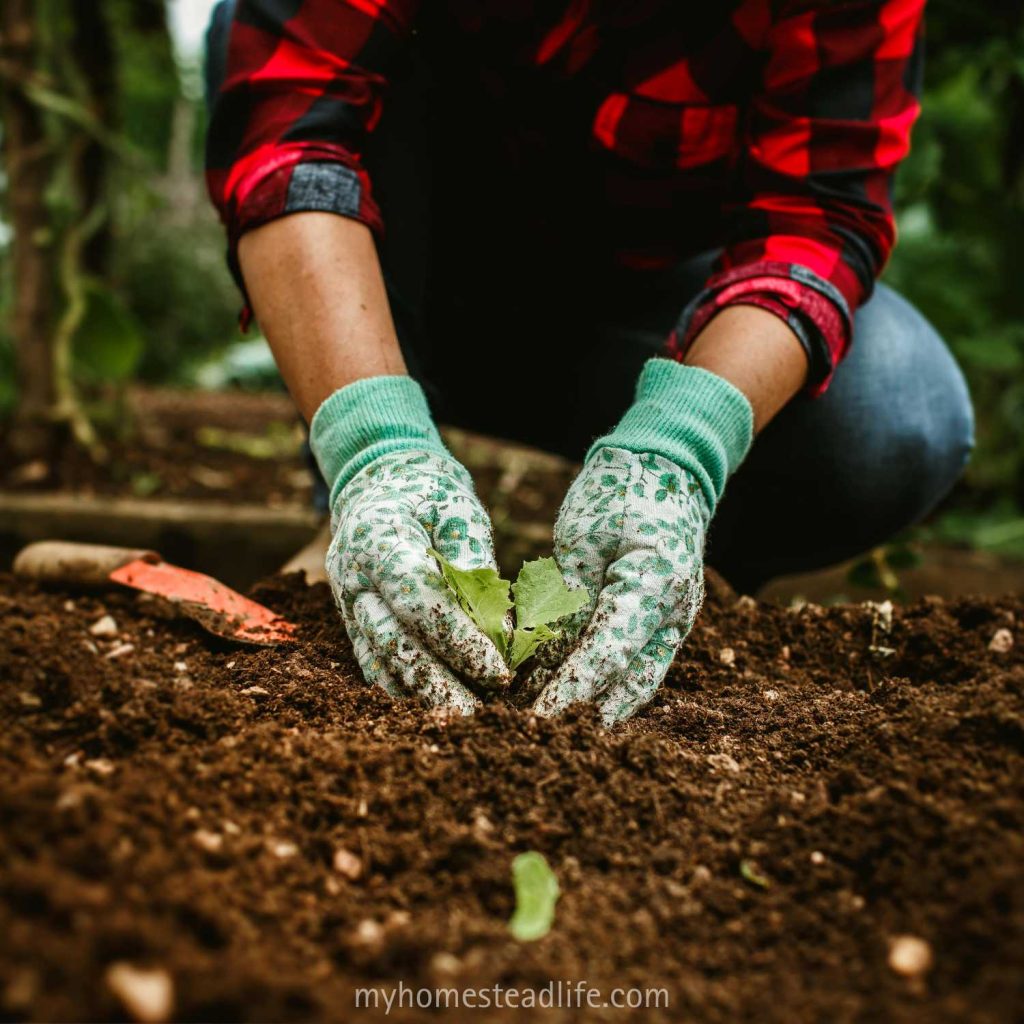
Understanding the Different Types of Garden Soil
Before deciding what to plant, it helps to know what kind of soil you’re working with.
Sandy soil drains quickly and warms up fast in spring, but it doesn’t hold nutrients well. Vegetables like carrots, radishes, potatoes, and peppers often do well here, especially when organic matter is added to help retain moisture.
Clay soil holds water and nutrients but drains slowly and can become compacted. While it can be challenging, it’s also very fertile. Crops like cabbage, broccoli, Brussels sprouts, and squash can thrive once clay soil is loosened with compost and organic material.
Silty soil feels smooth and holds moisture better than sandy soil, while draining better than clay. It’s fertile but prone to compaction. Leafy greens, peas, beans, and root crops tend to do well here.
Loamy soil is the sweet spot—a mix of all three. Most vegetables grow well in loam, which makes it easier to rotate crops and diversify what you plant.
Knowing your soil type helps you choose vegetables that are more likely to succeed rather than fighting conditions that don’t suit them.
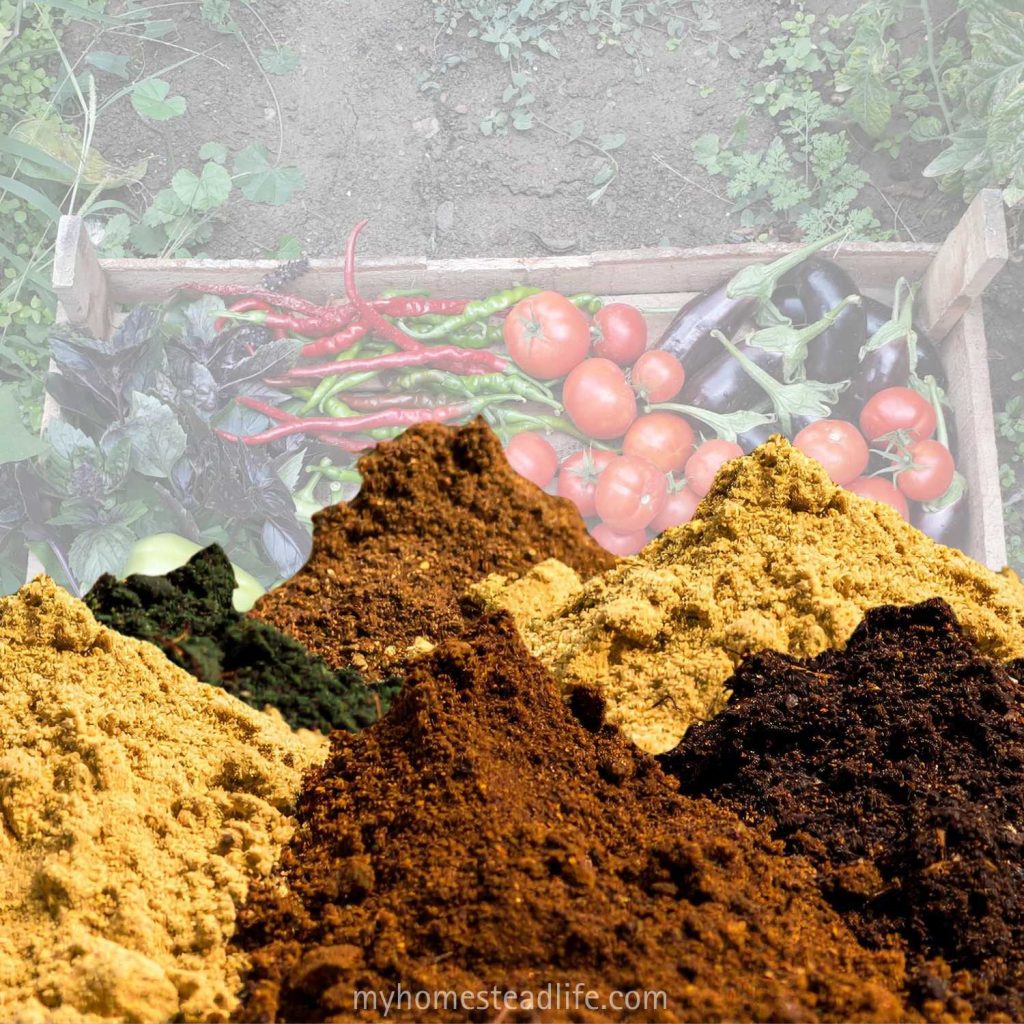
Matching Vegetables to Their Soil Preferences
Not all vegetables want the same thing from the soil, and that’s where many gardens run into trouble.
Some vegetables prefer slightly acidic soil, while others do better in neutral to slightly alkaline conditions. For example, potatoes, blueberries, and radishes lean toward acidic soil. On the other hand, cabbage family crops—like broccoli and cauliflower—prefer more neutral to slightly alkaline soil.
Planting acid-loving vegetables right next to alkaline-loving ones can create issues. You’ll either end up adjusting the soil in a way that helps one plant and harms another, or neither will thrive.
Most seed packets tell you what type of soil a plant prefers, usually listing general terms like “well-draining,” “loamy,” “rich,” or “acidic.” If you’re not sure how to interpret that information, I explain it in more detail in my article, How to Read a Seed Packet.
This is where intentional garden planning matters. Group plants with similar soil and pH preferences together so you’re not constantly working against yourself.
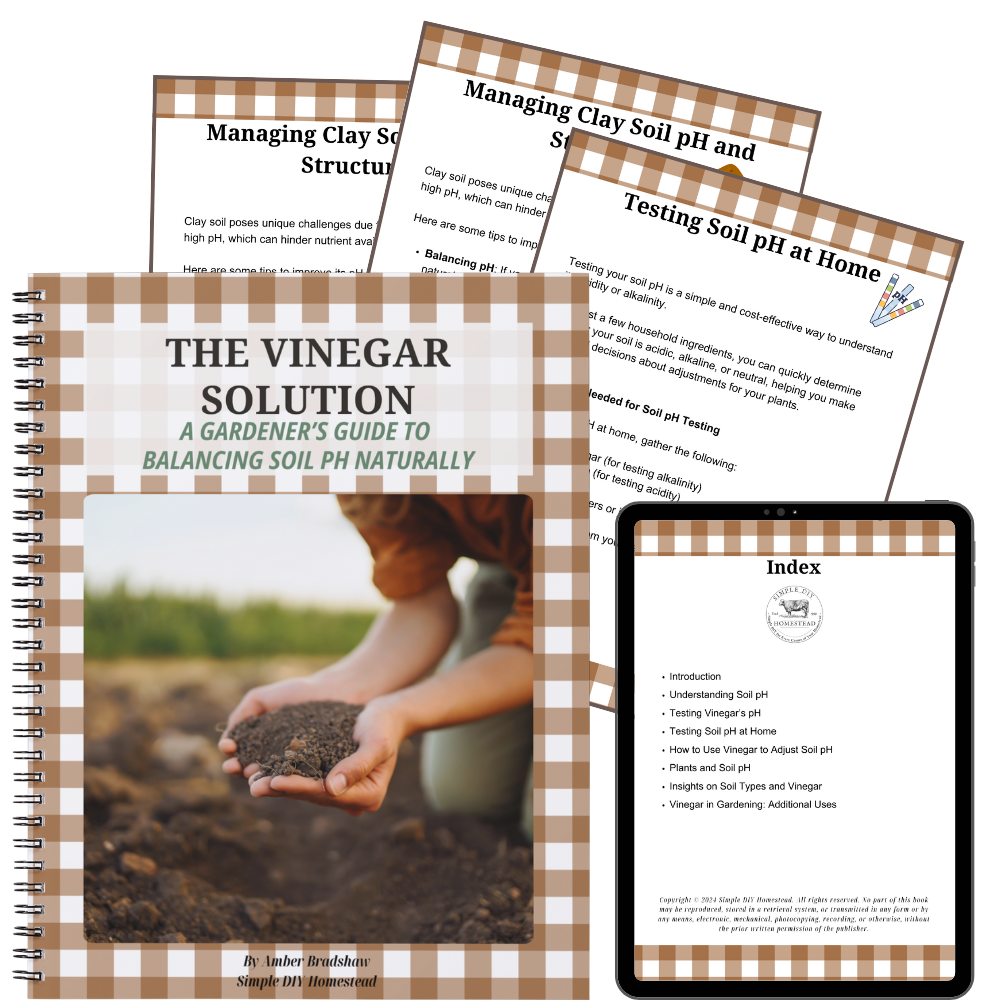
If soil pH feels confusing or overwhelming, this is exactly why I created The Vinegar Solution: A Gardener’s Guide to Balancing Soil pH Naturally. It walks through simple, natural ways to test and adjust soil pH without harsh chemicals or guesswork.
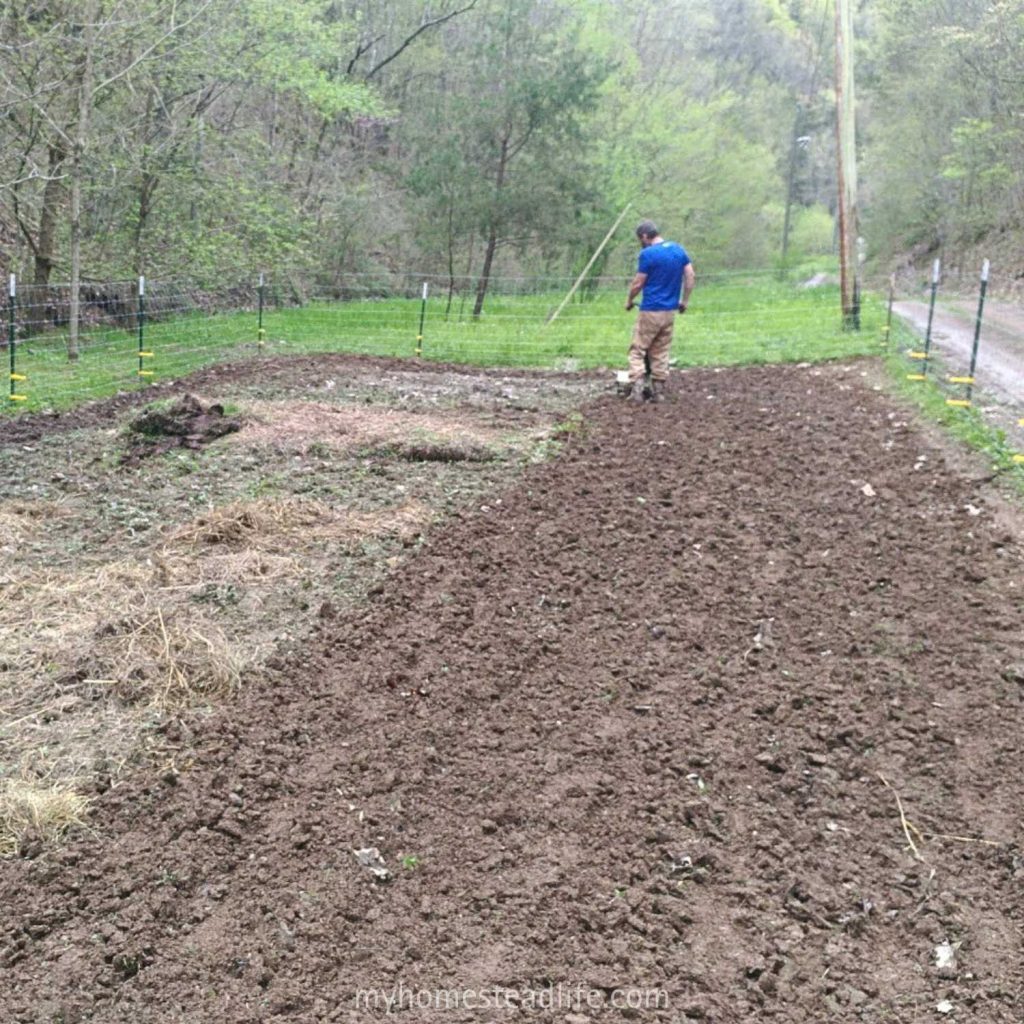
What Soil Do You Use for a Veggie Garden?
For in-ground gardens, the goal is to improve what you already have rather than replace it completely. Adding compost, aged manure, leaf mold, and organic matter builds better soil structure over time.
For raised beds and container gardens, you have more control from the start. A quality veggie garden soil blend usually includes:
- Topsoil or screened garden soil
- Compost for nutrients and microbial life
- A drainage component like sand or perlite
Avoid using straight bagged “topsoil” on its own—it often lacks nutrients and structure. Likewise, pure potting soil can dry out too quickly in outdoor beds.
A balanced soil mix supports strong root growth, steady moisture, and long-term fertility, which reduces the need for constant feeding and corrections.
Soil pH Matters More Than You Think
Even rich soil can fail if the pH is off.
Soil pH affects how plants absorb nutrients. When pH is too high or too low, nutrients can become unavailable—even if they’re present in the soil. That’s why plants sometimes show deficiency symptoms despite being well-fed.
Instead of guessing, it’s better to test and adjust gradually. Natural solutions, including vinegar-based methods, can help fine-tune soil conditions without disrupting beneficial organisms.
If you want a deeper, step-by-step explanation, The Vinegar Solution: A Gardener’s Guide to Balancing Soil pH Naturally was written specifically to make this process simple and approachable for home gardeners.
What’s the Best Thing to Put in the Bottom of a Raised Garden Bed?
Raised beds give you excellent control over soil, drainage, and structure—but what you put in the bottom matters.
In most cases, you don’t need anything fancy. A layer of cardboard or newspaper works well to suppress weeds while allowing roots and moisture to pass through. From there, filling the bottom bed layer with leaves and/or small twigs, followed by quality soil and compost is usually enough.
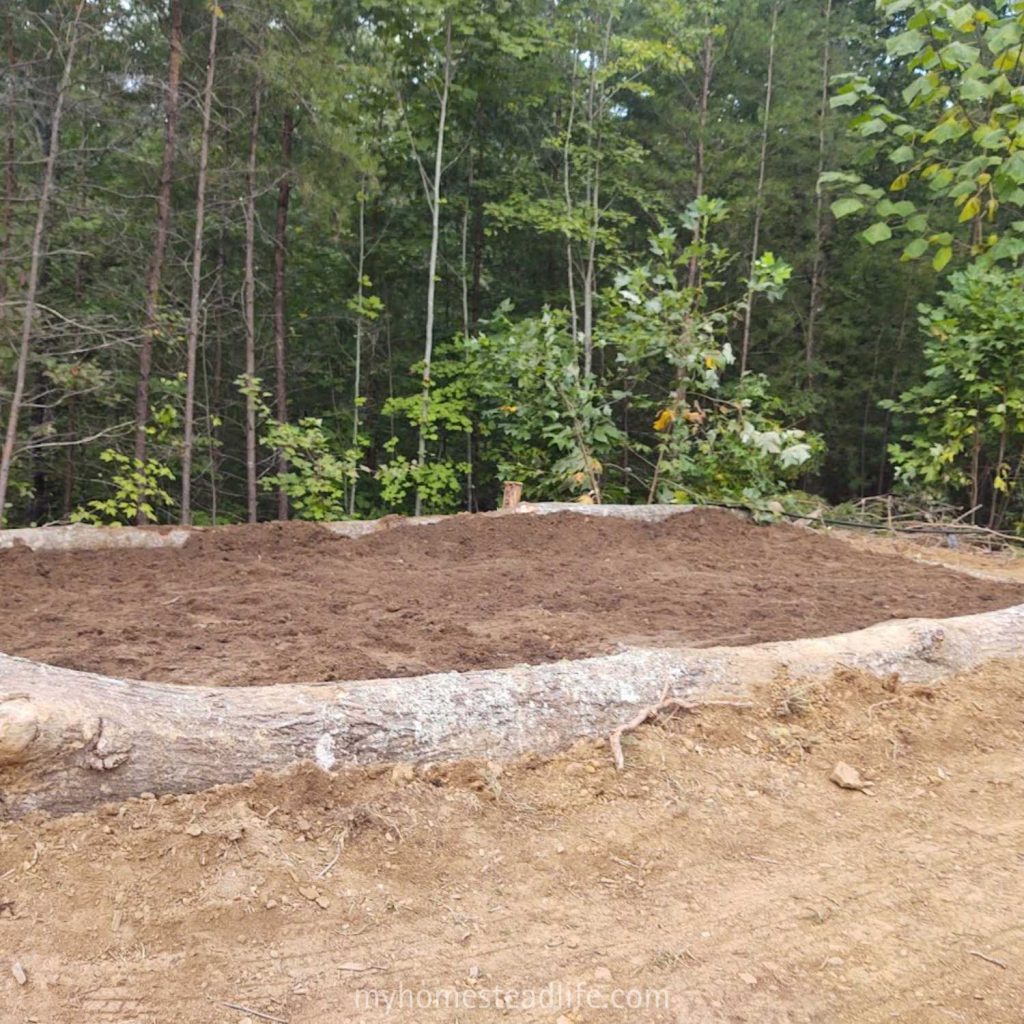
Some gardeners like to add logs, sticks, wood ash, or coarse organic matter at the bottom to improve drainage and long-term soil health, especially in deeper beds. This method can also help retain moisture and slowly feed the soil as materials break down.
If you’re planning raised beds or redesigning your garden layout, I share multiple practical approaches in my article 9 Raised Garden Bed Ideas, which walks through options for different spaces, budgets, and growing goals.

Building Soil That Improves Over Time
Good garden soil isn’t created once—it’s built season by season.
Each year you garden, you have an opportunity to improve soil health through composting, mulching, rotating crops, and avoiding over-tilling. Healthy soil becomes easier to work with, more resilient during droughts, and more productive over time.
Instead of chasing quick fixes, focus on steady improvements. Your plants—and your harvest—will reflect that effort.
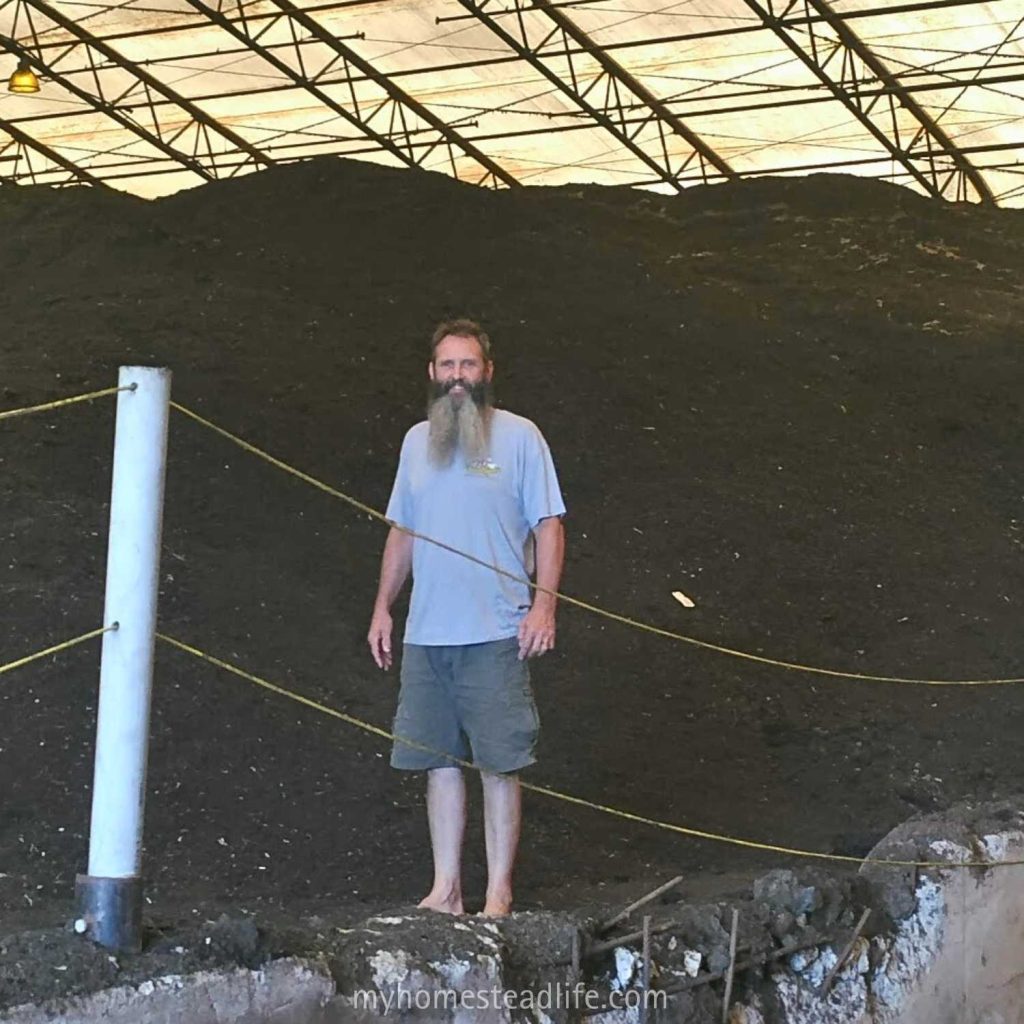
If you’re starting with poor soil, adding organic compost can give your garden a solid foundation—this photo shows my husband, Timmy, at our local compost center, where our son works and where we source compost to help improve our own soil.
Choosing the Right Soil for Long-Term Success
When you understand your soil, gardening becomes far less frustrating. You stop fighting nature and start working alongside it.
Choose vegetables that match your soil conditions, group plants with similar needs together, and make small adjustments as needed instead of trying to overhaul everything at once. Whether you’re gardening in the ground, in raised beds, or in containers, the right soil sets the stage for healthier plants and more reliable harvests.
Good soil doesn’t just grow vegetables—it grows confidence, consistency, and food you can count on.


